How to Build Emergency Savings Quickly and Effectively
Building emergency savings is essential for financial stability and peace of mind. The best way to start is by setting a clear savings goal, automating regular deposits, and cutting unnecessary expenses to free up money.
Many people underestimate how small, consistent contributions can quickly add up over time. Understanding your monthly expenses and aiming to save at least three to six months’ worth will create a reliable safety net.
Staying consistent and adjusting your plan as needed will ensure your emergency fund grows steadily. This approach helps avoid debt when unexpected costs arise.
Why Emergency Savings Are Essential
Having money set aside specifically for emergencies creates a financial cushion that protects your day-to-day life. It allows you to handle unforeseen costs without compromising your regular budget or long-term goals.
Protecting Your Financial Stability
Emergency savings act as a buffer against sudden financial shocks, such as job loss or unexpected medical bills. Without these funds, people may have to rely on high-interest debt like credit cards or payday loans. This can create cycles of debt that are hard to break.
By maintaining a separate savings fund, you ensure that your essential expenses—rent, utilities, groceries—remain covered even during tough times. This preserves your credit score and prevents the erosion of your overall financial health.
Preparing for Unexpected Expenses
Expenses like car repairs, home maintenance, or urgent travel can happen at any time. Emergency savings let you manage these costs without disrupting your monthly cash flow.
Setting aside at least three to six months’ worth of living expenses gives you flexibility. You won’t need to withdraw from retirement accounts or investment funds, which might carry penalties or tax consequences.
Reducing Stress and Anxiety
Knowing you have readily available funds reduces worry about how to pay for sudden expenses. Financial uncertainty is linked to increased stress, which can affect your health and decision-making.
Emergency savings provide peace of mind, allowing you to focus on solving problems instead of worrying about money. This can improve your overall well-being and stability in difficult situations.
Setting a Realistic Emergency Savings Goal
Starting with specific figures clarifies how much money to set aside. This involves understanding monthly expenses, figuring out a target amount, and deciding the timeline for accumulating your savings.
Calculating Monthly Expenses
Begin by listing all necessary monthly costs. Include rent or mortgage, utilities, groceries, transportation, insurance, and minimum debt payments.
Exclude discretionary spending like dining out or entertainment to focus on essentials.
Add these fixed and variable costs to get your total monthly expense. This figure represents the minimum amount you need to cover basic living requirements during an emergency.
Tracking expenses over several months helps ensure accuracy. Use bank statements or budgeting apps to avoid missing irregular but necessary costs.
Determining the Ideal Savings Amount
Typically, emergency savings cover 3 to 6 months of living expenses.
If your income is stable and predictable, aim for 3 months. If your job or market is uncertain, 6 months provides a safer cushion.
Some people with dependents or unique financial obligations may need more. Adjust the target based on your specific risk factors and comfort level.
Use this formula:
Emergency Fund Goal = Monthly Expenses × Number of Months
For example, if your monthly expenses are $3,000, and you choose 6 months, your goal is $18,000.
Choosing the Right Time Frame
Set a realistic timeline based on your income and current savings.
If saving $18,000, dividing it into monthly targets will build progress without strain. For instance, saving $500 a month would take 36 months.
Setting shorter periods is possible, but may require budget cuts or increased income.
Review and adjust your timeline if your financial situation changes, but remain consistent with contributions. This helps build the fund steadily without disrupting daily life.
Creating a Budget to Prioritize Savings
Building emergency savings begins with a clear understanding of your income and expenses. Cutting unnecessary costs and setting up automated transfers can make saving consistent and manageable.
Tracking Income and Spending
Start by listing all sources of income, including salary, freelance work, and any side hustles. Use apps or spreadsheets to record every expense, from rent and utilities to coffee and subscriptions. This detailed tracking helps reveal where money goes each month.
Track expenses for at least 30 days to get an accurate picture. Categorize spending into essentials and non-essentials. This step is crucial to see areas where adjustments can be made without affecting necessary bills.
Identifying Areas to Cut Back
Review your spending categories and highlight items you can reduce or eliminate. Consider cutting subscriptions you rarely use or dining out less frequently. Small changes like brewing coffee at home or choosing cheaper entertainment can free up cash.
Focus on discretionary spending first. For example, if you spend $200 monthly on entertainment, try reducing it by half and redirecting that $100 to savings. Prioritize expenses directly tied to your well-being and monthly obligations to maintain balance.
Automating Savings Contributions
Set up automatic transfers from your checking to a dedicated emergency savings account. Automating this step removes the temptation to spend what you intended to save. Choose an amount that fits your budget—starting small is better than skipping it altogether.
Align transfers with payday for smoother cash flow. For instance, if you receive a paycheck biweekly, schedule savings transfers the day after. This consistency builds savings without requiring constant manual effort or decision-making.
Choosing Where to Store Your Emergency Fund
Choosing the right place to keep your emergency savings affects access, growth, and security. Focus on options that prioritize liquidity and safety while offering competitive interest rates. Keeping your fund separate from everyday money reduces the risk of impulsive spending.
High-Yield Savings Accounts
High-yield savings accounts typically offer interest rates significantly above standard savings accounts. These accounts combine easy access to funds with the benefit of steady interest growth, making them ideal for emergency savings.
Look for accounts with low or no monthly fees and no minimum balance requirements. Many online banks provide the best rates because they have lower overhead costs. Funds in these accounts are federally insured up to $250,000, ensuring security.
Withdrawals are generally quick, although federal regulations might limit some transactions. Prioritize accounts with mobile banking features for convenient monitoring and transfers. This ensures your emergency fund is both accessible and protected.
Money Market Accounts
Money market accounts offer a hybrid option with features of both checking and savings accounts. They usually provide check-writing privileges and a debit card, but still maintain higher interest rates than regular savings.
Interest rates vary by institution but often align with or slightly exceed high-yield savings rates. Money market accounts are also FDIC-insured up to $250,000, guaranteeing the safety of your funds.
Consider the minimum balance requirements, which tend to be higher than standard savings accounts. These accounts may have transaction limits, so ensure the terms fit your expected use. This option suits those who want moderate flexibility with a slightly higher yield.
Separating Emergency Funds from Everyday Accounts
Keeping emergency savings in a separate account prevents accidental spending and provides mental clarity on your financial reserves. This separation also makes it easier to track your fund’s growth and maintain discipline.
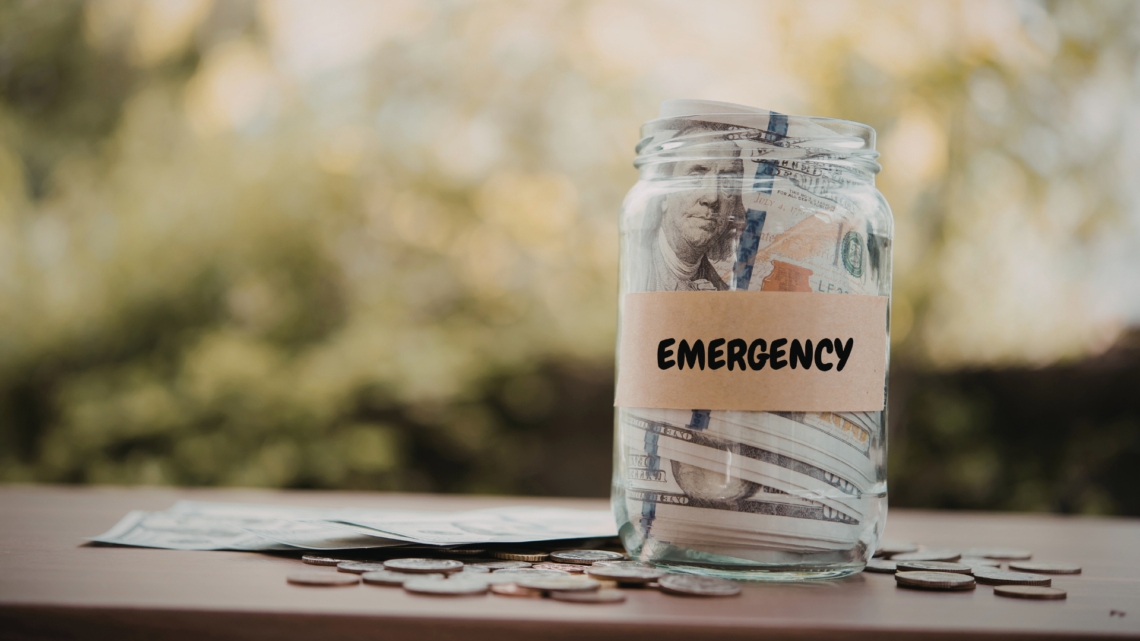
Using distinct accounts can reduce the temptation to dip into savings for non-emergencies. It’s useful to label the account clearly, like “Emergency Fund,” to reinforce its purpose.
Automate transfers from your main account to this dedicated fund to build savings steadily without manual effort. This method supports consistent growth and prevents mixing savings with daily expenses.
Strategies to Build Emergency Savings Faster
Building emergency savings quickly requires consistent contributions, leveraging additional income sources, and making smart decisions with unexpected money. Prioritizing these actions can significantly reduce the time it takes to reach your savings goal.
Setting Up Automatic Transfers
Automating transfers from your checking to your savings accounts ensures regular contributions without relying on memory or discipline. Choose a fixed amount that fits your budget and schedule transfers right after payday. This “pay yourself first” method makes saving a non-negotiable expense.
You can typically set automatic transfers through your bank’s website or mobile app. Adjust the transfer amount as your finances improve, but avoid reducing it once established. Over time, these small, consistent deposits build up your emergency fund steadily and reliably.
Earning Extra Income
Increasing your income through side jobs or freelance work accelerates emergency savings accumulation. Even a few extra hours weekly can add a meaningful boost to your savings balance.
Popular side gigs include online tutoring, rideshare driving, or selling handmade goods. Use part of these earnings exclusively for your emergency fund. This approach keeps your everyday budget intact while speeding up your savings growth.
Using Cash Windfalls Wisely
Applying unexpected money like tax refunds, bonuses, or gifts directly to your emergency fund prevents spending temptation. Windfalls can make a large dent in your savings goal when fully dedicated.
Plan ahead by allocating 100% of these cash inflows to your emergency savings. Resist the urge to use this money for non-essential spending. Keeping windfalls separate preserves your progress and shortens the timeline to full preparedness.
Maintaining and Growing Your Emergency Fund
Building an emergency fund is only the first step. Regularly updating your goals, replenishing the fund after withdrawals, and evaluating where you keep your savings are essential to maintaining a reliable financial safety net.
Adjusting Savings Goals Over Time
Your financial situation changes with events like job changes, family growth, or shifts in living costs. It’s important to reassess your emergency fund target periodically, at least once a year.
For example, if your monthly expenses increase, adjust your fund to cover at least 3 to 6 months of the new expenses. Conversely, if debts decrease or income stabilizes, your fund size might change accordingly.
Tracking major life events or economic changes can guide timely updates. Use a simple spreadsheet or budgeting app to compare expenses and savings goals regularly.
Replenishing After Use
When you withdraw from your emergency fund, prioritize rebuilding it immediately. Delaying this step weakens your financial buffer and leaves you exposed to future risks.
Set a monthly recharge goal based on your income and typical expenses. Automate transfers whenever possible to create a consistent replenishment habit.
If you used $1,000 in an emergency, divide that into monthly contributions that fit your budget. For example, $100 monthly to restore your balance in 10 months.
Maintaining discipline during replenishment prevents long periods without adequate funds and supports overall financial stability.
Reviewing Account Options Regularly
The type of account holding your emergency fund impacts accessibility and growth. Savings accounts, money market accounts, and short-term CDs all offer different benefits.
Review interest rates and fees annually, and switch accounts if better terms become available. Look for accounts with no withdrawal penalties and easy access to funds.
Consider high-yield savings accounts for better returns without sacrificing liquidity. Avoid tying funds in long-term investments that may reduce your ability to use money quickly.
A comparison table can help:
| Account Type | Interest Rate | Accessibility | Fees |
| Savings Account | Low | Immediate withdrawal | Usually none |
| High-Yield Savings | Higher | Immediate withdrawal | Usually none |
| Money Market Account | Moderate | Check writing allowed | May have fees |
| Certificates of Deposit (CDs) | Higher | Penalty for early withdrawal | Possible penalties |
Regularly reviewing these options ensures your fund works efficiently for you.
Common Pitfalls to Avoid When Building Emergency Savings
Building emergency savings requires discipline and clear boundaries. Misusing funds or failing to adjust goals can undermine progress and leave you unprepared for real emergencies.
Using Funds for Non-Emergencies
One common mistake is spending emergency savings on non-essential expenses. Examples include dining out, vacations, or impulsive purchases. This reduces the safety net available when genuine emergencies arise.
To protect your savings:
- Define what qualifies as a true emergency (medical bills, car repairs, job loss).
- Keep your emergency fund in a separate account to avoid temptation.
- Track withdrawals and replenish the fund promptly if used.
Using the funds for non-emergencies defeats the purpose and increases financial vulnerability.
Neglecting to Update Savings Goals
Life changes—such as a new job, changes in living expenses, or family growth—impact your emergency savings needs. Sticking to a static savings goal may leave you underprepared or holding excess funds unproductively.
Review your savings goals regularly. Adjust for:
- Increased monthly expenses due to inflation or lifestyle changes.
- New financial responsibilities, like caring for dependents.
- Changes in income stability or job security.
Updating your target ensures your emergency fund remains adequate for your current situation.
Building Emergency Savings on a Tight Budget
Saving money during tight financial situations requires focus on small, manageable steps. Prioritizing gradual contributions, leveraging technology, and exploring local support can help build a financial safety net without disrupting daily needs.
Starting with Small Contributions
Begin by saving small, consistent amounts that fit your budget. Even $5 or $10 each week can add up over time without straining finances. Treat saving like a regular expense to create a habit.
Use a separate savings account to avoid accidentally spending the money. Automate transfers on payday to ensure consistency. Prioritize saving before discretionary purchases to make progress steady and reliable.
Utilizing Micro-Savings Apps
Micro-savings apps round up purchases to the nearest dollar and save the difference. These apps require minimal effort and help accumulate funds without feeling burdensome.
Some popular apps allow you to set daily or weekly saving goals. Many apps link directly to checking accounts and offer secure, encrypted transactions. Choosing the right app depends on fees, ease of use, and syncing capabilities with your bank.
Accessing Community Resources
Local organizations often provide financial counseling, emergency grants, or low-interest loans. These resources can support saving efforts by easing immediate expenses and reducing financial stress.
Look for nonprofit credit counseling services, community centers, or government programs specific to your area. Some programs also offer financial literacy classes that can improve budgeting and saving habits. Utilizing these options can increase financial stability during tight periods.
Integrating Emergency Savings Into Your Financial Plan
Building emergency savings should be a key component of your overall financial plan. Start by setting a clear goal for your emergency fund, typically three to six months of essential living expenses. This creates a solid financial cushion without disrupting your other financial priorities.
Allocate a fixed portion of your monthly income to your emergency fund. Automate transfers to a separate savings account to reduce the temptation to spend. Consistency is more important than large one-time deposits when building this fund.
Balance emergency savings with other important financial goals. Prioritize high-interest debt repayment and retirement contributions, but ensure your emergency fund is not neglected. Use this simple guideline:
| Priority | Focus |
| 1 | Build a starter emergency fund of $1,000 |
| 2 | Pay down high-interest debt |
| 3 | Increase emergency fund to 3–6 months of expenses |
| 4 | Maximize retirement and other investments |
Review and adjust your emergency fund as your situation changes. Life events like job changes, new family members, or housing costs can alter the amount you need. Keep the fund liquid and accessible for immediate needs without penalty.
Integrating emergency savings requires ongoing attention but establishes a firm foundation that supports long-term financial stability.

You May Also Like

Why Tax Planning Services Are Crucial for High-Income Earners

Exterior Car Care Tips