General Lifestyle Tips
-
Logbook, Basic, or Major Service: Which Does Your Car Need?
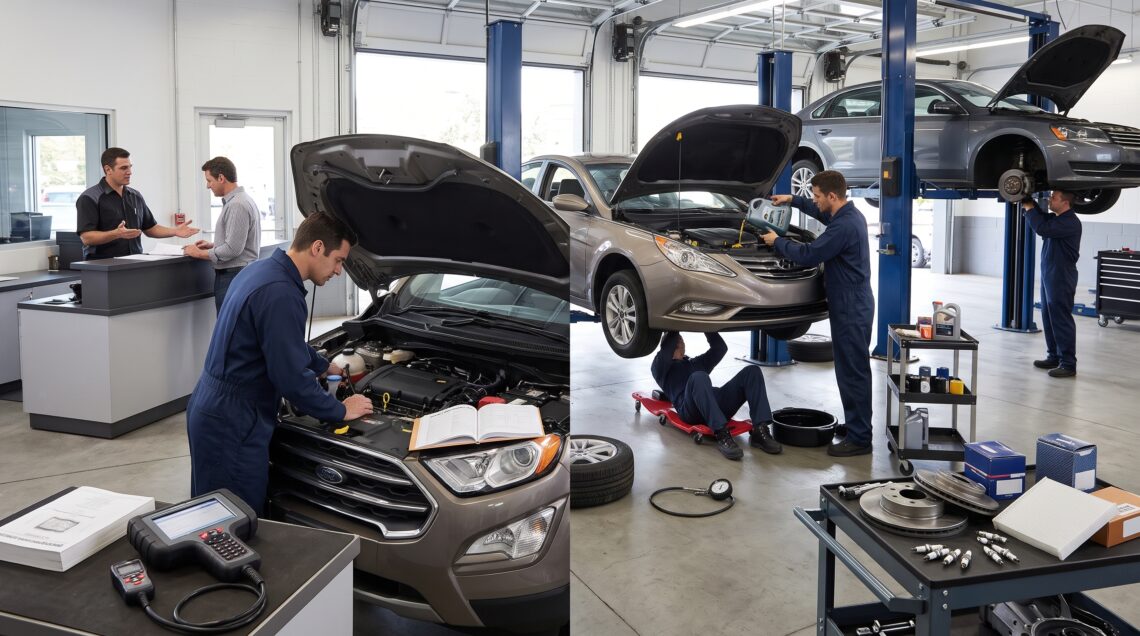
Logbook, Basic, or Major Service: Which Does Your Car Need? Service menus can make a straightforward maintenance decision feel complicated. One workshop advertises a basic package, another recommends a major service, and a third asks which logbook interval is due. Those descriptions may be answering different questions. A logbook service follows a vehicle manufacturer’s maintenance schedule. Basic and major are package labels whose contents vary between workshops. Understanding that distinction helps Australian drivers choose the work their car needs without paying for an impressive name or overlooking a scheduled task. Start with the vehicle, not the package The useful starting point is the schedule for the exact vehicle. Model year,…
-
How to Build Emergency Savings Quickly and Effectively
Building emergency savings is essential for financial stability and peace of mind. The best way to start is by setting a clear savings goal, automating regular deposits, and cutting unnecessary expenses to free up money. Many people underestimate how small, consistent contributions can quickly add up over time. Understanding your monthly expenses and aiming to save at least three to six months’ worth will create a reliable safety net. Staying consistent and adjusting your plan as needed will ensure your emergency fund grows steadily. This approach helps avoid debt when unexpected costs arise. Why Emergency Savings Are Essential Having money set aside specifically for emergencies creates a financial cushion that…
-
How to Recognise a Trustworthy Used Car Dealer
How to Recognise a Trustworthy Used Car Dealer A trustworthy used car dealer is easy to spot once you know what to look for. It has little to do with the size of the forecourt and a lot to do with how open the process is. Paperwork is open before you ask Good dealers expect questions about a car’s past and provide the information needed for reasonable checks. Run an independent vehicle-history search for recorded finance, theft and insurance write-off markers rather than relying only on a seller’s report. Evasive answers or reluctance to share the registration and vehicle details are reasons to pause. You can also check the MOT…
-
Financial Planning for Freelancers: Essential Strategies for Long-Term Stability
Freelancers face unique financial challenges due to irregular income and a lack of traditional benefits. Effective financial planning helps manage cash flow, save for taxes, and build emergency funds. Creating a budget, tracking expenses, and planning for taxes are essential steps to maintain financial stability as a freelancer. Without a steady paycheck, freelancers must be proactive in managing money to avoid cash shortages and ensure business growth. Understanding how to separate personal and business finances is key to clear financial tracking and accountability. By developing a strategy tailored to freelance work, you can reduce stress around money and make informed decisions. Financial planning for freelancers is a continual process that…
-
Credit Score Improvement Step Guide for Faster Financial Growth
Improving your credit score is a straightforward process that involves specific actions and habits. The most effective way to boost your credit score is by paying bills on time, reducing debt, and monitoring your credit report regularly. These steps help establish a positive credit history and minimize errors that could harm your score. Understanding how credit scores are calculated and what lenders look for can guide your efforts. Small changes, like lowering credit card balances and disputing inaccuracies, can make a measurable difference over time. This guide breaks down each step clearly, allowing you to take control of your credit health and make informed decisions moving forward. Understanding Credit Scores…
-
Comparing Savings Versus Checking Accounts: Key Differences and Benefits Explained
When deciding where to keep your money, understanding the differences between savings and checking accounts is essential. Each account serves a distinct purpose based on how you plan to use the funds. Savings accounts are designed to help your money grow with interest, while checking accounts focus on easy access and daily transactions. Knowing these key differences will help you choose the right account to meet your financial needs. This article breaks down the main features of both accounts, including accessibility, interest rates, and fees, to help you make an informed decision. Understanding Savings and Checking Accounts Savings and checking accounts serve different roles in personal finance. One focuses on…
-
Building Wealth On Low-Income Strategies for Long-Term Financial Success
Building wealth on a low income is possible with consistent habits and smart financial decisions. The key is to spend less than you earn, save intentionally, and invest even small amounts over time. This approach creates steady progress despite limited resources. Many assume wealth requires a high salary, but focusing on managing money wisely unlocks financial growth. Understanding where your money goes and prioritizing saving can lead to gradual but meaningful wealth building. This article will explore practical steps anyone can take to improve their financial situation. Small changes in spending, saving, and planning can lead to real results over time. Understanding Wealth Building on a Low Income Building wealth…
-
Budget Planning for Single Parents: Strategies to Maximize Financial Stability and Support
Budget planning for single parents is essential to ensure financial stability while managing the unique challenges of a one-income household. The key to effective budget planning is creating a realistic plan that reflects your income, essential expenses, and savings goals while allowing flexibility for unexpected costs. Understanding where every dollar goes helps prioritize spending on needs like housing, childcare, and education. This approach reduces financial stress and builds a foundation for long-term security. By focusing on clear budgeting strategies tailored to your situation, you can gain better control over your finances and make informed decisions that benefit your family. Understanding Budget Planning for Single Parents Managing money as a single…
-
Best Ways to Save Money for Long-Term Financial Stability
Saving money starts with tracking your expenses and setting clear budgets. Knowing exactly where your money goes allows you to identify unnecessary spending and cut costs effectively. Automating your savings and prioritizing needs over wants are key to building financial security. Small changes like using cashback offers and avoiding impulse purchases add up over time, making a big difference. Consistent habits and thoughtful planning help maintain savings without feeling deprived. This approach makes managing finances practical and sustainable. Create a Budget Building a budget means understanding your money flows and defining clear financial targets. It requires tracking every dollar earned and spent, setting specific saving objectives, and reviewing progress regularly.…
-
Best Investment Strategies for Beginners Explained Clearly and Effectively
Starting to invest can feel overwhelming, but the key is to focus on simple strategies that build wealth steadily. The best investment strategies for beginners prioritize diversification, low costs, and consistent contributions over time. Understanding risk and setting clear goals help guide decisions, whether through index funds, retirement accounts, or automated investing platforms. This approach reduces complexity and limits exposure to market swings while maximizing growth potential. By sticking to straightforward methods and avoiding high-risk bets, new investors can create a strong foundation for their financial future. Learning these basics makes investing less intimidating and more effective. Understanding Investment Basics Investing involves clear goals, a variety of options, and careful…